For upper beginners to intermediates. Listen to the short podcast and then answer the comprehension questions below.
お正月映画
New Years Movies
New episode of Nihongo no Tane! Yumi takes a nostalgic look at Japan’s “New Year Film” tradition—from Otoko wa Tsurai yo to Godzilla. Discover why these movies faded and how she celebrates now. 🎉🎬 #LearnJapanese
Click to Tweet
- 正月映画 — New Year's movie; films typically released around the New Year's season in Japan. 「正月」(New Year) + 「映画」(movie).
- ジャンル — Genre; a category or type, often used to classify movies, books, etc.
- 年末年始 — Year-end and New Year's; the period encompassing the end of December and the beginning of January. 「年末」(year-end) + 「年始」(beginning of the year).
- 上映される 映画 — Movies being screened; films that are shown or exhibited in theaters. 「上映」(screening/showing) is combined with 「される」(passive form of する, "to do"), meaning "to be screened."
- 後半 — The latter half; the second half of a period, such as a month or year. 「後」(later/after) + 「半」(half).
- 封切られる映画 — Movies being released; films that premiere or are first shown in theaters. 「封切る」(to release a movie) in its passive form, 「封切られる」(to be released).
- 初もうで — Hatsumōde; the first shrine visit of the New Year, a traditional Japanese custom. 「初」(first) + 「もうで」(visit to a shrine or temple).
- シリーズ — Series; a set of related works, often movies, books, or TV shows, released in succession.
- 監督 — Director; the person responsible for overseeing the creation of a movie or other production.
- 主演 — Leading role; the main actor or actress in a film or production. 「主」(main) + 「演」(performance).
- 日誌 — Diary or journal; often used in titles to indicate a record of events, such as Tsuribaka Nisshi (The Diary of a Fishing Fool). 「日」(day) + 「誌」(record).
- 公開される — To be released or made public; often refers to movies or works being available to the public. 「公開」(release/opening to the public) is combined with 「される」(passive form of する, "to do"), meaning "to be released."
- 以前 — Previously; in the past or before a certain point in time.
- 平社員 — Ordinary employee; a worker without managerial or senior responsibilities. 「平」(plain) + 「社員」(employee).
- 大企業 — Large company; a big corporation or enterprise. 「大」(big) + 「企業」(enterprise).
- 日本各地 — Various places in Japan; throughout different regions of the country. 「日本」(Japan) + 「各地」(various places).
- 実家 — One's family home; the house where one grew up or their parents' home. 「実」(real/true) + 「家」(home/house).
- 役 — Role; a part or character played by an actor in a movie or production.
- 終了 — Completion or conclusion; the end of an event, series, or activity. 「終」(end) + 「了」(finish).
- 時期 — Period or season; a specific time frame. 「時」(time) + 「期」(period).
- 過去形 — Past tense; a grammatical form indicating actions or states in the past. 「過去」(past) + 「形」(form).
- 定番 — Standard or classic; something considered a staple or go-to choice in a particular context. 「定」(fixed) + 「番」(number/order).
- なくなりつつあります — Is gradually disappearing; indicates something is in the process of vanishing or declining. 「なくなる」(to disappear) in its ます-stem form, 「なくなり」, followed by 「つつある」(indicates an ongoing process).
- 時代の流れ — Flow of the times; changes or trends that come with the passing of time. 「時代」(era) + 「の」(possessive marker) + 「流れ」(flow).
- ご覧になりました — (Honorific) Did you watch; a polite way to ask if someone has seen something. 「ご」(honorific prefix) + 「覧」(look/watch) + 「になりました」(honorific past tense form).
Can you answer these questions?
Want more?
Members have access to over a hundred podcasts with bonus content.
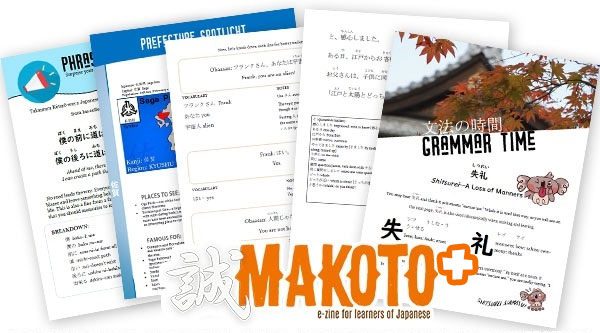
If you are a Makoto+ member, please click here for all the podcasts plus bonus content. Not a Makoto+ member? Please consider supporting us by becoming a member. You will get instant access to ALL podcast transcripts as well as the latest Makoto e-zine issue, shadowing sentences, haiku lessons, Japanese tongue twisters, and much more.
Makoto+ Members Get More
FREE FOR ALL - Limited to the latest 20 episodes
Member Bonus Content - All Episodes
- All the above plus
- Download a PDF transcript of the podcast with English and the Japanese
- View the transcript online and mouse over kanji to view furigana
- Download the MP3 ad-free version
- Occasional extra special bonus features such as Anki decks with sound for the main vocabulary
- Access ALL episodes and with bonus content