For upper beginners to intermediates. Listen to the short podcast and then answer the comprehension questions below.
あけましておめでとう
Happy New Year
In the latest "Nihongo no Tane," Yumi shares her experience celebrating New Year in Japan and contrasts it with life in the U.S. Discover festive traditions and her thoughts for the year ahead! 🎍🇯🇵 #JapaneseLearning
Click to Tweet
- ばたばた — Hustling and bustling; being in a hurry or busy state.
- 支払いを済ませたり — 支払い: payment; を: [object marker]; 済ませたり: settling or completing (済ませる in たり-form, "to settle/finish"). Completing payments or taking care of payments.
- おせち料理 — Traditional Japanese New Year’s cuisine, often served in a multi-tiered box.
- 大晦日 — New Year’s Eve (December 31).
- 紅白歌合戦 — 紅白: red and white (symbolic colors of Japan); 歌合戦: singing contest. "Kōhaku Uta Gassen," a famous Japanese New Year’s Eve singing contest.
- ゆったり — Feeling relaxed; leisurely.
- 寝正月 — 寝: sleep; 正月: New Year. Spending the New Year’s holidays lazing around at home, often sleeping.
- ゴロゴロ — Lounging around; idling; onomatopoeia for rolling or loafing.
- フレッシュ — Fresh (a loanword from English).
- 心当たりがありました — 心当たり: having an idea or clue about something; が: [subject marker]; ありました: there was; had. "I had a clue/idea about it."
- とっ散らかっていた — とっ散らかる: to be messy; scattered everywhere; いた: past progressive form (was messy). "It was all over the place/messy."
- 日常 — Everyday life; routine.
- おうち — Home (casual or polite term for 家, house).
- 感覚 — Sense; sensation; feeling.
- お雑煮 — Traditional Japanese soup with rice cakes (mochi), eaten during New Year’s celebrations.
- お屠蘇 — Spiced sake traditionally drunk during New Year’s for good health.
- 初詣 — 初: first; 詣: pilgrimage/visit. First shrine visit of the New Year.
- 初日の出 — 初日: first sunrise; の出: appearance; rising. The first sunrise of the New Year.
- お年玉 — Money given to children as a New Year’s gift.
- 年賀状 — 年賀: New Year’s greetings; 状: letter/card. New Year’s greeting card.
- 書き初め — 書き: writing (noun form of 書く, to write); 初め: first time; beginning. First calligraphy of the year.
- お習字 — お: honorific prefix; 習字: calligraphy. Calligraphy practice.
- 抱負 — Resolution; aspiration; ambition.
- 早速 — Immediately; at once; without delay.
- 下っ腹が出てきました — 下っ腹: lower belly; が: [subject marker]; 出てきました: started to stick out. "My lower belly started sticking out."
Can you answer these questions?
Want more?
Members have access to over a hundred podcasts with bonus content.
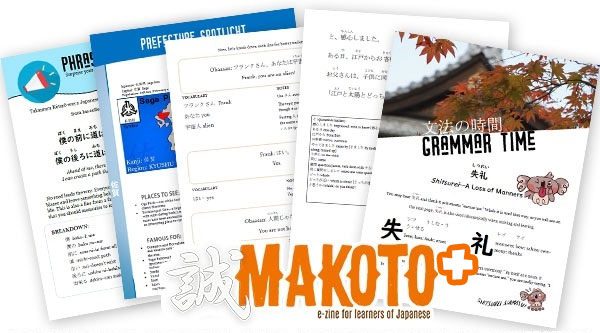
If you are a Makoto+ member, please click here for all the podcasts plus bonus content. Not a Makoto+ member? Please consider supporting us by becoming a member. You will get instant access to ALL podcast transcripts as well as the latest Makoto e-zine issue, shadowing sentences, haiku lessons, Japanese tongue twisters, and much more.
Makoto+ Members Get More
FREE FOR ALL - Limited to the latest 20 episodes
Member Bonus Content - All Episodes
- All the above plus
- Download a PDF transcript of the podcast with English and the Japanese
- View the transcript online and mouse over kanji to view furigana
- Download the MP3 ad-free version
- Occasional extra special bonus features such as Anki decks with sound for the main vocabulary
- Access ALL episodes and with bonus content