For upper beginners to intermediates. Listen to the short podcast and then answer the comprehension questions below.
父のお葬式
My father’s funeral
New episode of Nihongo no Tane. Yumi returns to Japan for her father’s funeral and shares her experience—family reunions, unfamiliar customs, and memories of a full life lived in a small town. A heartfelt story about loss, connection, and Japanese traditions. 🎙️🌸 #LearnJapanese
Click to Tweet
- 私ごと — "A personal matter." 私 is read here as わたくし, a formal and humble reading of "I" or "private," and ごと (事) means "matter" or "thing." A humble expression to refer to one's personal affairs, often used in formal or respectful speech.
- お葬式 — "Funeral." 葬 means "to bury" and 式 means "ceremony." The prefix お adds politeness to the word.
- およそ — "About; approximately." A formal adverb used to express an estimated quantity or duration.
- 脳梗塞 — "Stroke; cerebral infarction." 脳 means "brain," 梗 means "blockage," and 塞 means "obstruction," referring to a blocked blood vessel in the brain.
- 麻痺 — "Paralysis; numbness." 麻 means "numb" or "hemp," and 痺 means "numbness" or "paralysis," used for loss of movement or sensation.
- 車椅子 — "Wheelchair." 車 means "vehicle," and 椅子 means "chair," literally describing a wheeled chair.
- 癌になり — "Developed cancer." 癌 means "cancer," and 〜になる ("to become") is used here in its ます-stem form なり, which connects to the next verb (手術をしまして); this is common in narrative style to maintain flow.
- 手術 — "Surgery; operation." 手 means "hand," and 術 means "technique" or "skill," referring to a medical procedure.
- 老人ホーム — "Nursing home." 老人 means "elderly person" (老 = "old," 人 = "person"), and ホーム is "home" in katakana, meaning care facility.
- 出ることもできず — "Could not go out." 出る means "to go out," こと turns the verb into a noun, できる means "can," and 〜ず is the classical negative of 〜ない, so できず = "could not (and...)"—implying an ongoing state or sequence.
- そろって — "All together; as a group." From 揃う ("to be gathered/complete"), in て-form to connect actions or indicate simultaneous action.
- 浸っている — "To be immersed (in something)." 浸る means "to soak or immerse," and the 〜ている form indicates a continuous state—here, emotionally immersed.
- 葬儀屋さん — "Funeral director." 葬儀 means "funeral service" (葬 = "to bury," 儀 = "ceremony"), 屋 means "shop/person in charge," and さん adds respect.
- ああだこうだ — "This and that; back and forth." A colloquial expression representing indecision or a flurry of decisions, often used when things are hectic.
- お坊さん — "Buddhist monk." 坊 refers to a Buddhist monk (originally meaning “boy” or “temple person”), and さん adds politeness.
- お布施 — "Offering to a monk or temple." 布 means "to distribute" or "cloth," 施 means "to give" or "bestow," and together refer to a monetary offering.
- 年老いた母 — "Elderly mother." 年老いた is the past form of 年老いる ("to grow old," 年 = "year," 老 = "old"), and 母 means "mother"—a respectful phrase for one’s aging mother.
- 費用 — "Cost; expense." 費 means "expense," and 用 means "use" or "purpose"—together meaning "cost required for something."
- 祭壇 — "Altar." 祭 means "ritual" or "festival," and 壇 means "platform"—a ceremonial platform often decorated in religious events.
- 豪華 — "Luxurious; splendid." 豪 means "magnificent" or "extravagant," and 華 means "splendor" or "flower," together describing something rich or ornate.
- 昭和 — "Showa era." 昭 means "bright" and 和 means "peace," referring to the Japanese era from 1926 to 1989 (Showa 12 = 1937).
- 末っ子 — "Youngest child." 末 means "end," and 子 means "child." The small っ adds emphasis to show it's the last-born.
- 高齢 — "Old age; elderly." 高 means "high," and 齢 means "age," a respectful and formal term for advanced age.
- 故郷 — "Hometown." 故 means "former" or "deceased," and 郷 means "village"—a nostalgic or sentimental term for one's birthplace.
- 囲まれた人生 — "A life surrounded (by something)." 囲まれた is the passive past form of 囲む ("to surround"), and 人生 means "life"—used here to describe a life surrounded by friends.
Can you answer these questions?
Want more?
Members have access to over a hundred podcasts with bonus content.
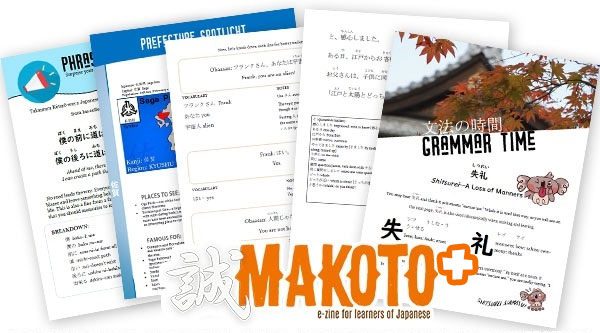
If you are a Makoto+ member, please click here for all the podcasts plus bonus content. Not a Makoto+ member? Please consider supporting us by becoming a member. You will get instant access to ALL podcast transcripts as well as the latest Makoto e-zine issue, shadowing sentences, haiku lessons, Japanese tongue twisters, and much more.
Makoto+ Members Get More
FREE FOR ALL - Limited to the latest 20 episodes
Member Bonus Content - All Episodes
- All the above plus
- Download a PDF transcript of the podcast with English and the Japanese
- View the transcript online and mouse over kanji to view furigana
- Download the MP3 ad-free version
- Occasional extra special bonus features such as Anki decks with sound for the main vocabulary
- Access ALL episodes and with bonus content